
 Image 1 of 2
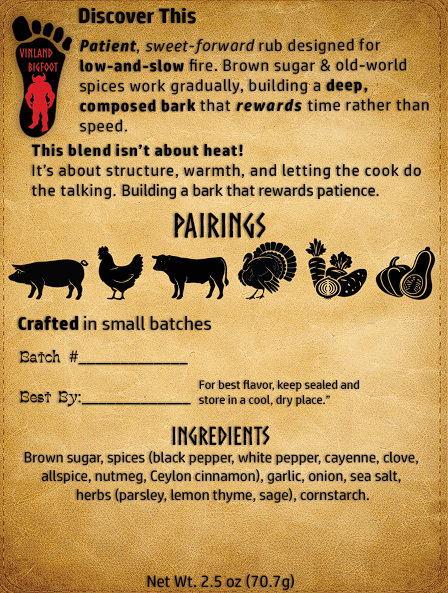 Image 2 of 2

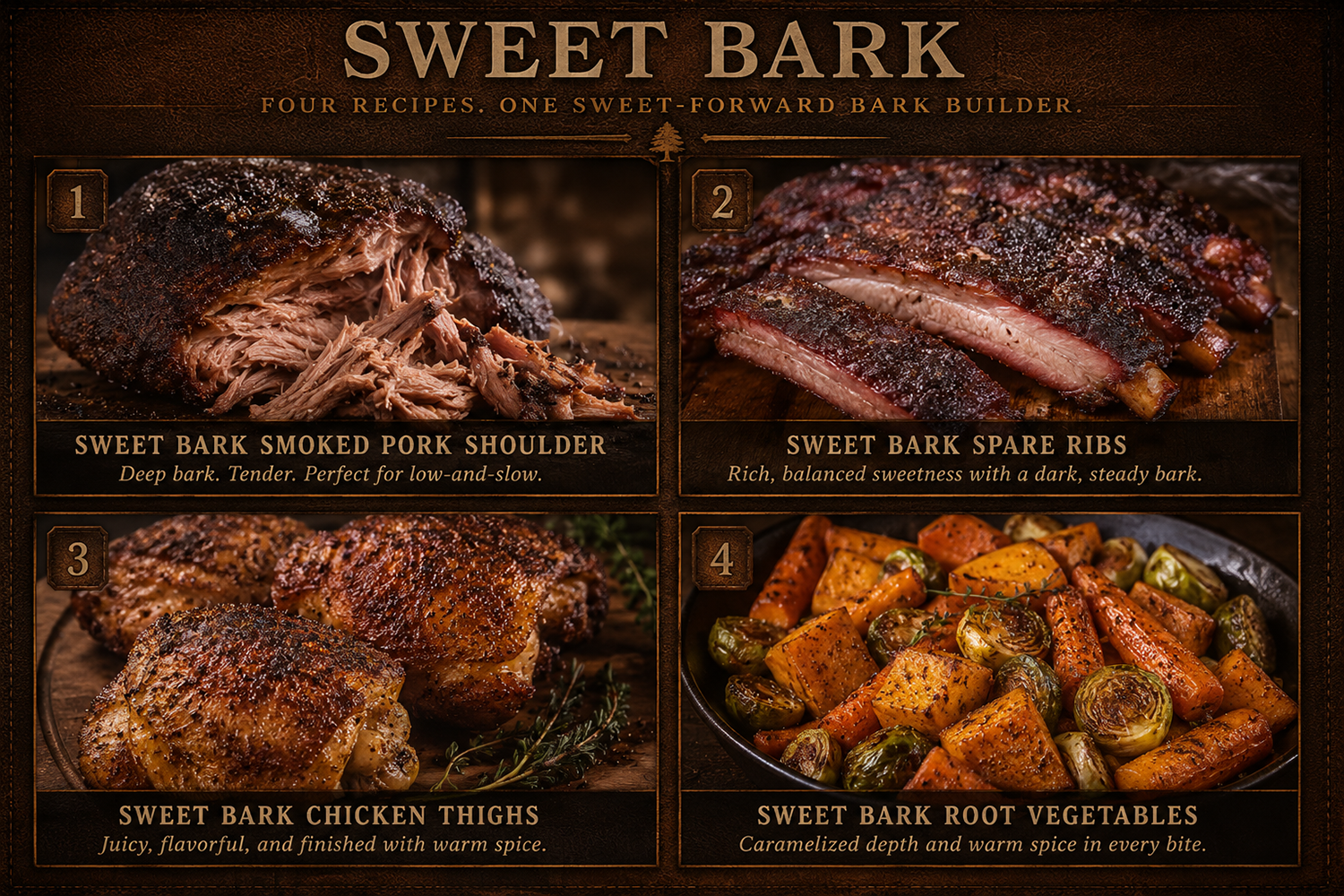

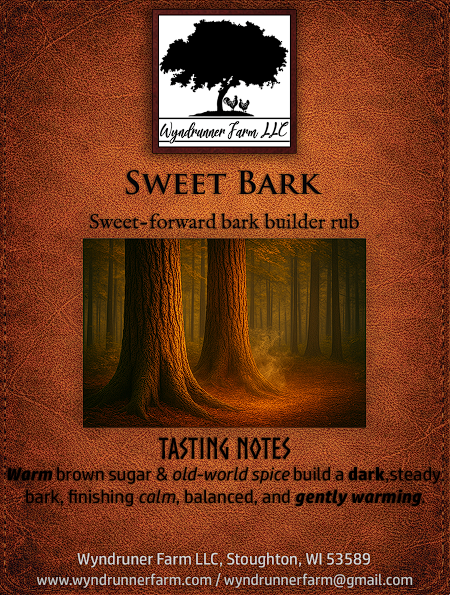
A patient, low-and-slow barbecue classic built around Sweet Bark. Brown sugar and old-world spices gradually develop into a deep, dark bark while the pork becomes tender enough to pull apart by hand.
Yield: 8–12 Servings
Total Time: 10–14 Hours
Active Time: ~30 Minutes
Difficulty: Wayfinder (Intermediate)
Best Cooking Temperature: 250°F
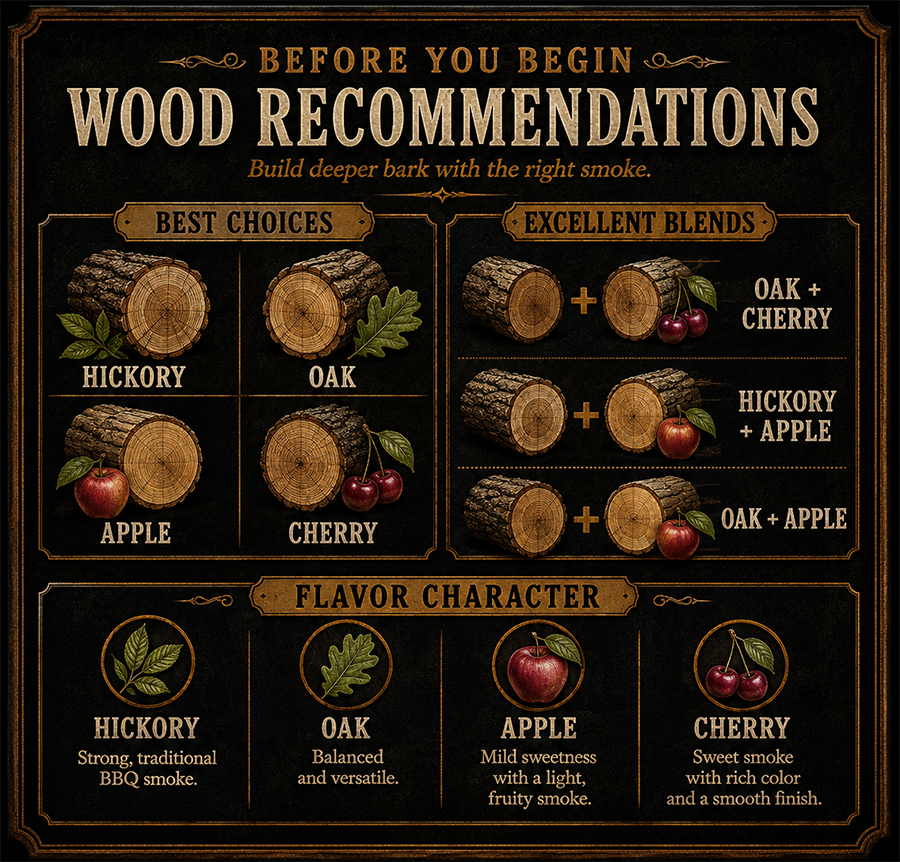
Wood Recommendations
Different woods create different bark, color, and smoke character. These are our favorite pairings for Sweet Bark.
Hickory
Bold smoke • Traditional BBQ • Deep bark
Oak
Balanced smoke • Reliable bark • Versatile
Apple
Mild smoke • Subtle sweetness • Smooth finish
Cherry
Rich color • Gentle sweetness • Beautiful bark
Recommended Blends
Oak + Cherry = Best Overall
Balanced smoke with deep mahogany bark and beautiful color.
Hickory + Apple = Classic BBQ
Bold smoke softened by a touch of natural sweetness.
Oak + Apple = Easy & Approachable
Balanced smoke with a lighter, sweeter finish.
Ingredients
Protein
1 (7–9 lb) bone-in pork shoulder (Boston butt)
Seasoning
6–8 tbsp Sweet Bark
2 tbsp yellow mustard (optional binder)
Optional Spritz
1 cup apple juice
1 tbsp apple cider vinegar
Equipment
Smoker
Meat thermometer
Large cutting board
Disposable gloves or meat claws
Pink butcher paper or heavy-duty aluminum foil
Spray bottle (optional)
Drip pan (optional)
Preparation
1. Trim the Pork Shoulder
Remove any loose flaps of fat, skin, or hanging pieces of meat that may burn during the cook.
Leave approximately ¼ inch of fat cap intact to help protect the meat and provide moisture during the long smoking process.
Pat the pork shoulder dry with paper towels before seasoning.
2. Apply Binder (Optional)
Lightly coat the pork shoulder with:
2 tbsp yellow mustard
The mustard helps the seasoning adhere evenly and will not be noticeable in the finished product.
3. Season
Apply: 6–8 tbsp Sweet Bark
Coat all sides evenly, including the sides and ends.
Press the seasoning gently into the surface rather than rubbing it.
Allow the pork shoulder to rest for 20–30 minutes while the smoker preheats.
Optional Spritz
Beginning after the first 3 hours of cooking:
Every 60–90 minutes, lightly spritz the exterior with:
1 cup apple juice
1 tbsp apple cider vinegar
A light mist is all that's needed.
Avoid soaking the surface, as excessive moisture can slow bark formation.
Smoking
4. Preheat the Smoker
Set smoker temperature to 250°F
5. Build the Bark
Place the pork shoulder into the smoker:
Fat cap up
Center rack
Indirect heat
Smoke at 250°F
for approximately 6–8 hours
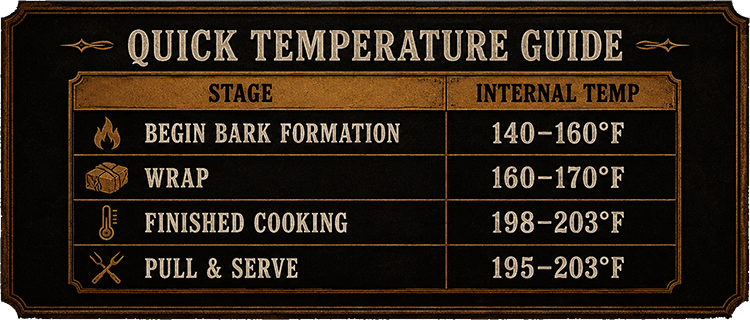
until the internal temperature reaches 160–170°F
During this stage, Sweet Bark develops its signature dark mahogany crust and deep barbecue flavor.
6. Wrap
When:
Bark is dark and firmly set
Surface is dry, not wet
Internal temperature reaches 160–170°F
wrap tightly in
Preferred use Pink butcher paper.
Alternative use Heavy-duty aluminum foil.
Return immediately to the smoker.
7. Continue Cooking
Continue cooking at 250°F
until internal temperature reaches 198–203°F
Temperature is only part of the test.
The pork shoulder is ready when a thermometer probe slides into the meat with very little resistance, similar to inserting it into softened butter.
Typical total cook time 10–14 Hours
depending on size, shape, and smoker conditions.
8. Hold and Rest
Remove from smoker and keep wrapped.
Rest for:
Minimum 30 Minutes
Recommended 1–2 Hours
Place the wrapped pork shoulder in:
An insulated cooler
A warm oven (150–170°F)
A warming cabinet
Resting allows the juices to redistribute and helps create a more tender finished product.
9. Shred
Remove:
Bone
Large pockets of fat
Using gloved hands or meat claws, pull the pork into strands.
Mix the bark and interior meat together before serving to distribute the smoky, seasoned exterior throughout the pork.
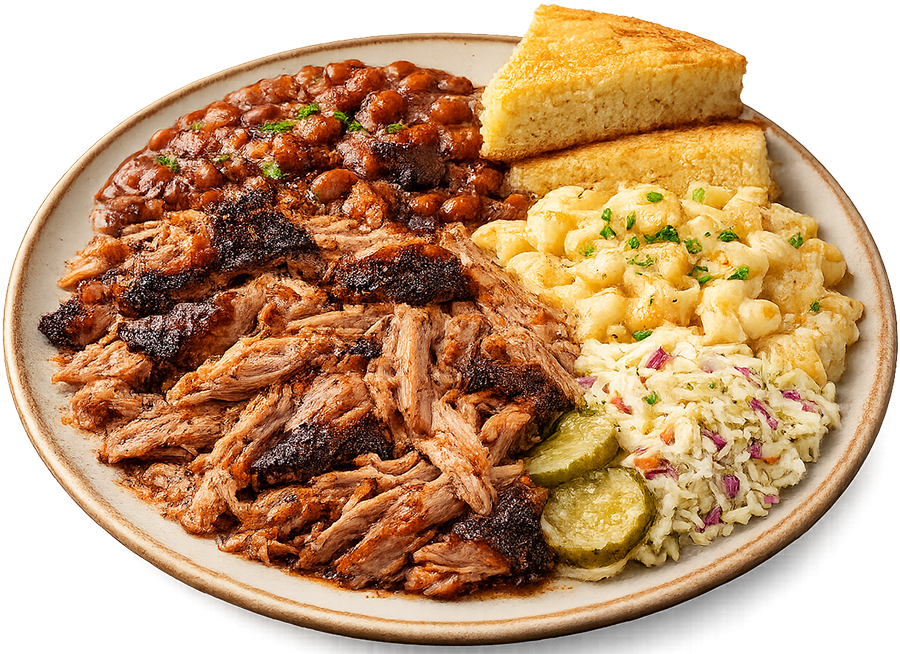
Serve immediately on sandwiches, sliders, tacos, baked potatoes, or alongside your favorite barbecue sides.
Pitmaster Tip
Don't cook by time alone. Cook until the bark is set, the probe slides in easily, and the pork pulls apart with little effort. Those signs matter more than the clock.