
Phenomenological Ecology
Phenomenological Ecology studies how entities—material or cognitive—manifest, persist, and interact within the Wilds under invariant constraint.
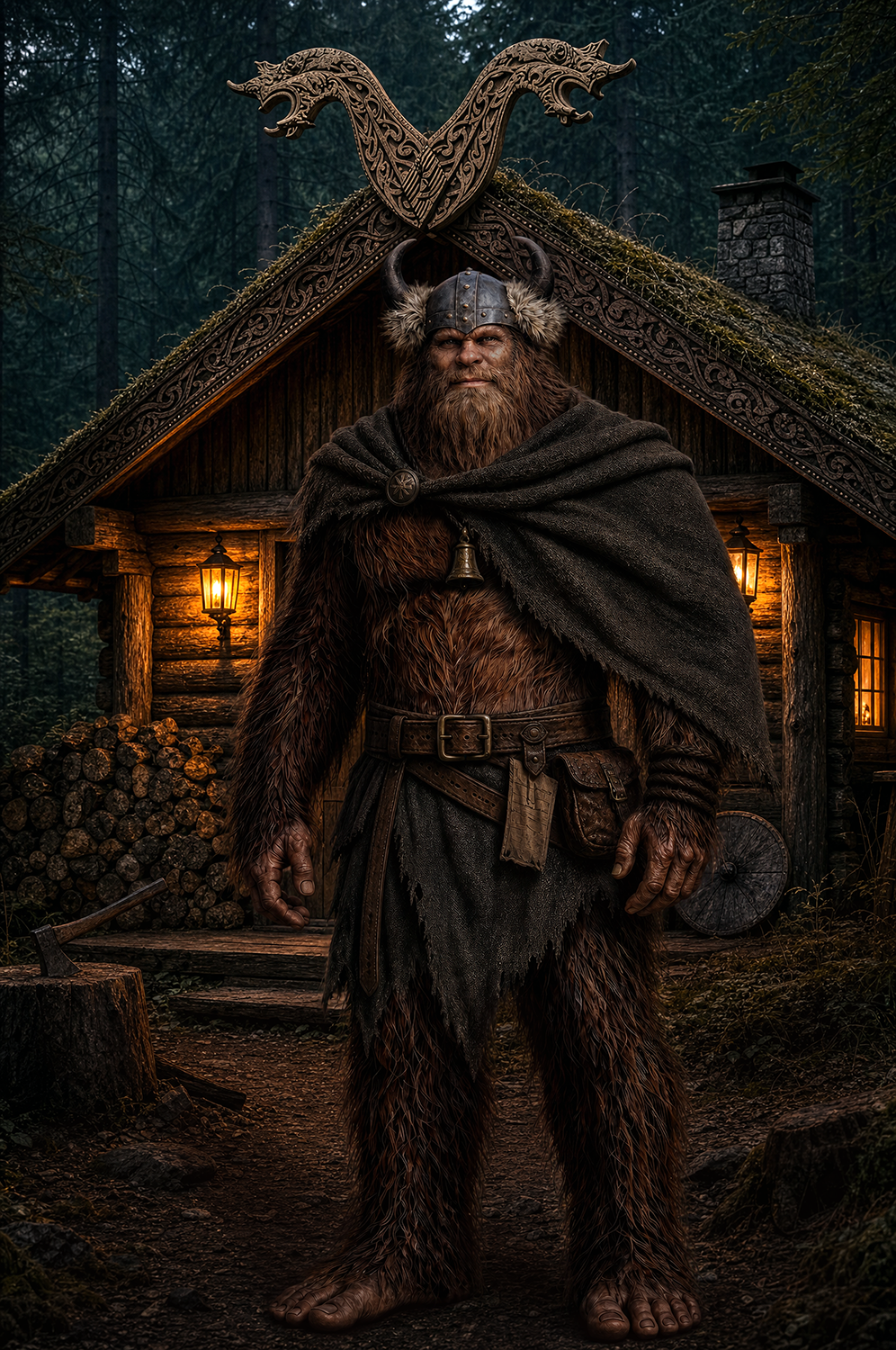
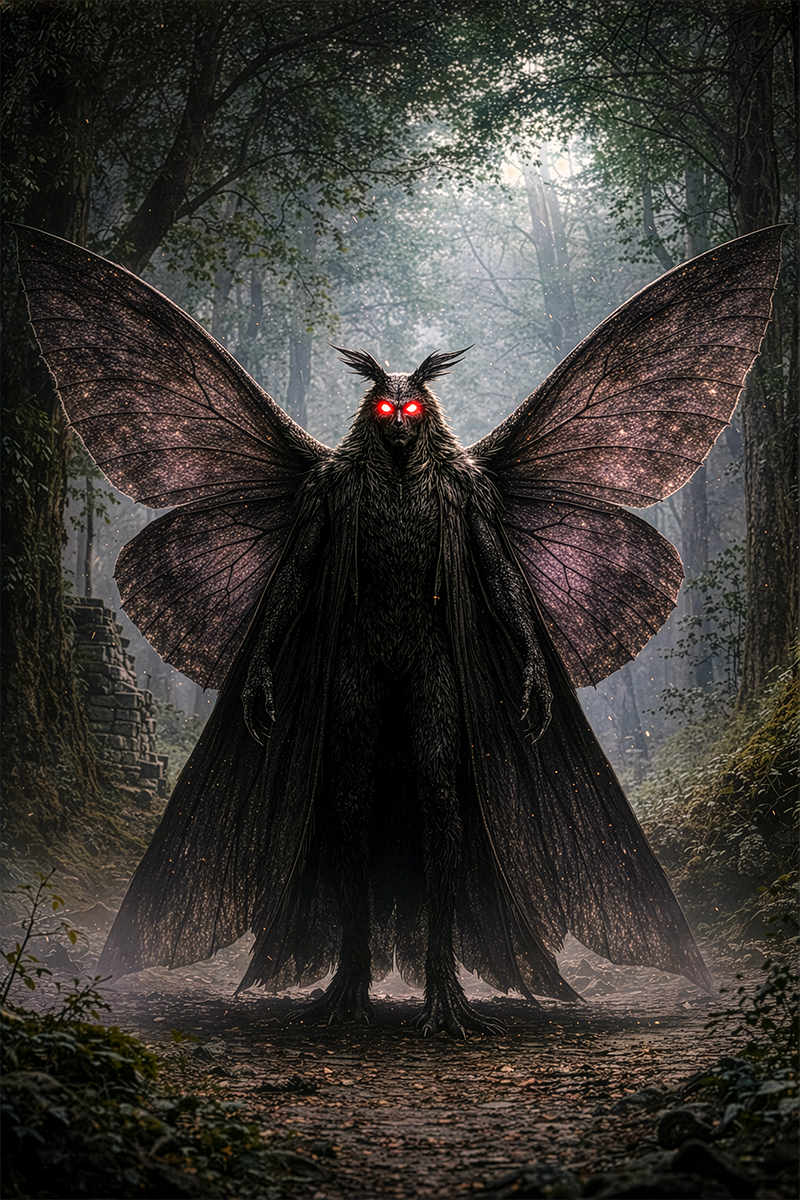
Character-Level Entities
Some things in the Wilds don’t pass through.
They stay.
They hold shape—across time, across encounters, across different people who shouldn’t all be seeing the same thing.
These are character-level entities.
They are not defined by myth, and they are not confined to biology.
Some can be tracked. Others can’t.
Some are encountered once. Others return.
They exist where persistence, interaction, and condition align.
In the Wilds, they are not treated as stories or symbols.
They are treated as phenomena with structure.

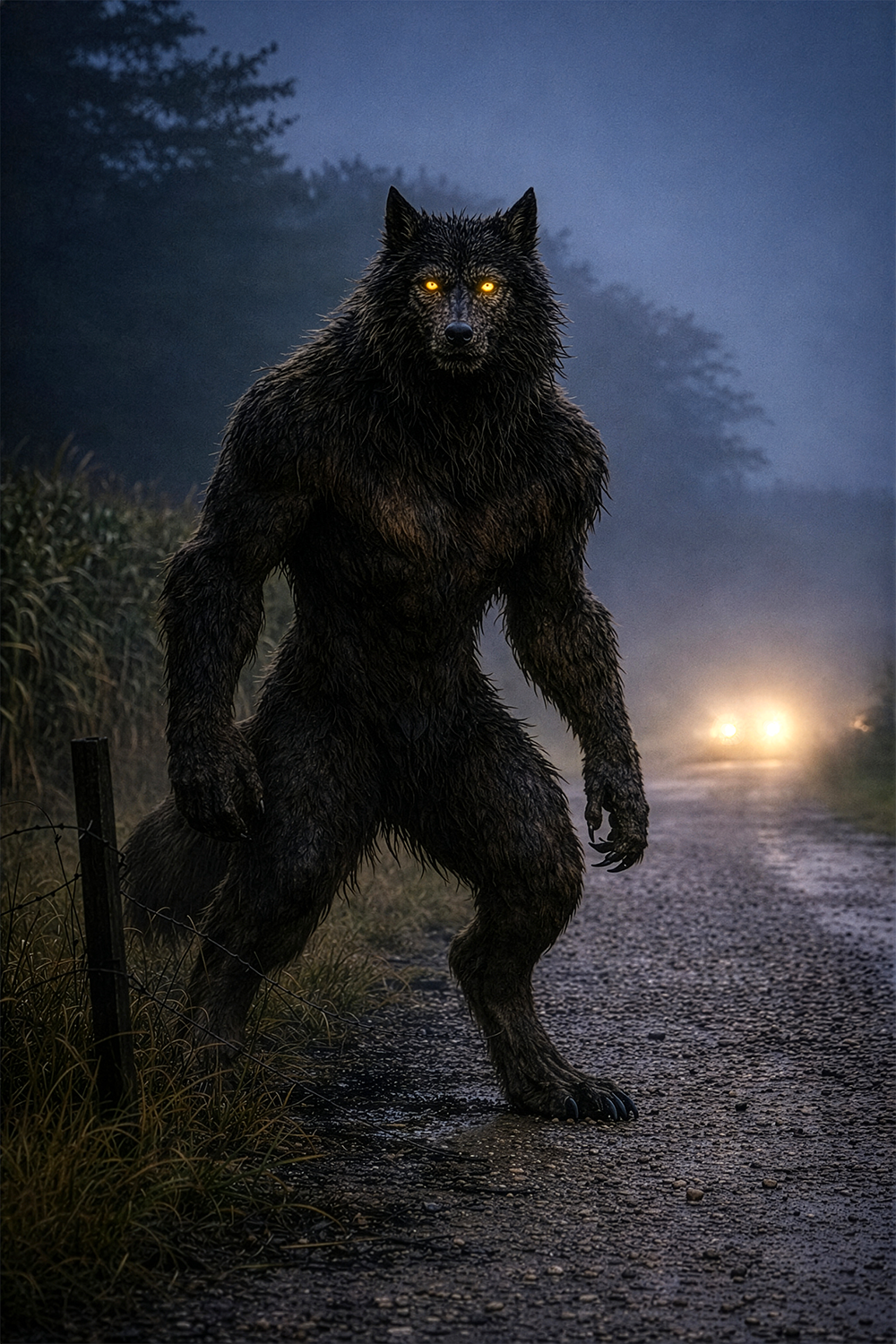
Biological Entities
Some things in the Wilds move through the sky, the forest, or the open ground with a weight that doesn’t match what we expect to exist.
They leave impact.
They alter the environment as they pass through it.
They are not easily seen—but they are not without effect.
These are biological entities.
They operate as part of the physical world, even when they sit beyond what is currently recognized or classified.
They can be tracked.
They can be missed.
They can be encountered without being understood.
Within the Wilds, they are studied as living systems under constraint, not as myth, and not as certainty.


System-Level Entities
Some things in the Wilds don’t move through a place.
They don’t pass through.
They form from what accumulates.
Where energy builds.
Where pressure holds.
Where systems no longer resolve what they contain.
The environment does not release it.
It organizes it.
These are system-level entities.
They exist where accumulation, persistence, and constraint align.
They hold structure across a system.
Within the Wilds, they are studied as system-scale phenomena under constraint, not myth, and not as certainty.
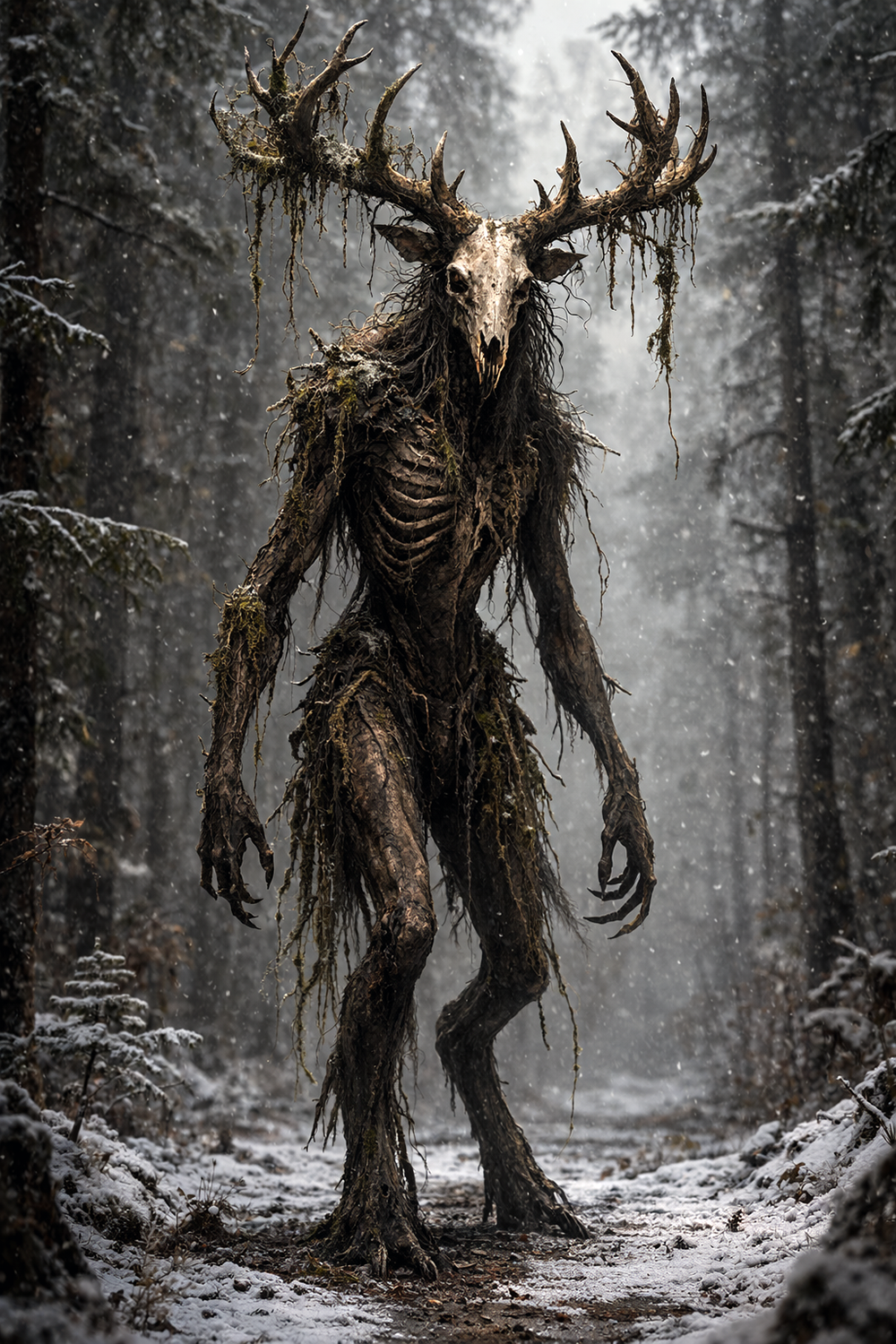

Extreme Condition Entities
There are places in the Wilds where something holds on longer than it should.
Where need doesn’t end.
Where pressure doesn’t release.
Where a pattern continues beyond where it would normally stabilize.
Entities formed or sustained in these conditions do not behave within normal ranges.
They persist through imbalance.
They are not driven by intent.
They are driven by continuation under strain.
To encounter one is not to meet something evil.
It is to meet something that has been shaped by conditions most systems fail to survive.